




zackguilfoyle7
About zackguilfoyle7
Houses Is Essential For Your Success. Read This To Find Out Why
 Every few years the housing market rewrites the rules, and buyers who learned the last set of rules show up unprepared for the new ones. Right now, the rules have changed more than they have at any point in a generation. The buyers who understand that are finding deals. The ones who do not are making expensive mistakes.
In markets where developers managed to bring inventory to market faster than demand absorbed it, prices have pulled back. Phoenix, Austin, and parts of Florida saw corrections of ten to fifteen percent from peak levels in some submarkets. But those are the exceptions. Most markets are not working from excess; they are working from scarcity.
 Here is what that creates for someone who is financially prepared and ready to move: more room to negotiate than the market’s reputation suggests. The panic buyers are gone. The buyers who showed up with emotion instead of analysis have mostly sat back down. What remains is a more functional market, even if it is not a cheap one.
 Shop multiple loan officers to compare rates and fees. A 0.25 percent gap between two lenders’ quotes adds up to tens of thousands of dollars over the life of most home loans. Lender fees vary too. Do not compare rate quotes without also comparing origination fees, points, and closing costs.
 If the report surfaces problems that go well beyond normal wear and tear, you have real choices, and walking away is a legitimate one of them. You can walk away if the scope of the problems makes the agreed price no longer reasonable. The one thing to avoid is accepting everything uncritically because you are afraid of losing the deal.
 Negotiation works best when it is quiet and well-prepared. Before you make an offer, find out whether there are other offers on the table or offers that have already fallen through. A listing that has been sitting for six weeks with no price adjustment is a fundamentally different negotiation than a fresh listing in a neighborhood where homes sell in under a week.
 The timing question, whether to buy now or wait for rates to come down, is the one that trips up more buyers than any other single factor. The record on market timing for owner-occupied housing is not encouraging. The more useful question is not whether now is the right time in the abstract; it is whether the home works for your actual life for the next five to seven years.
Buyers who take the time to do their homework tend to find that there are still good properties available at realistic prices. Spending twenty minutes with current homes for sale and market analytics is a better use of your time than waiting for conditions that may never arrive.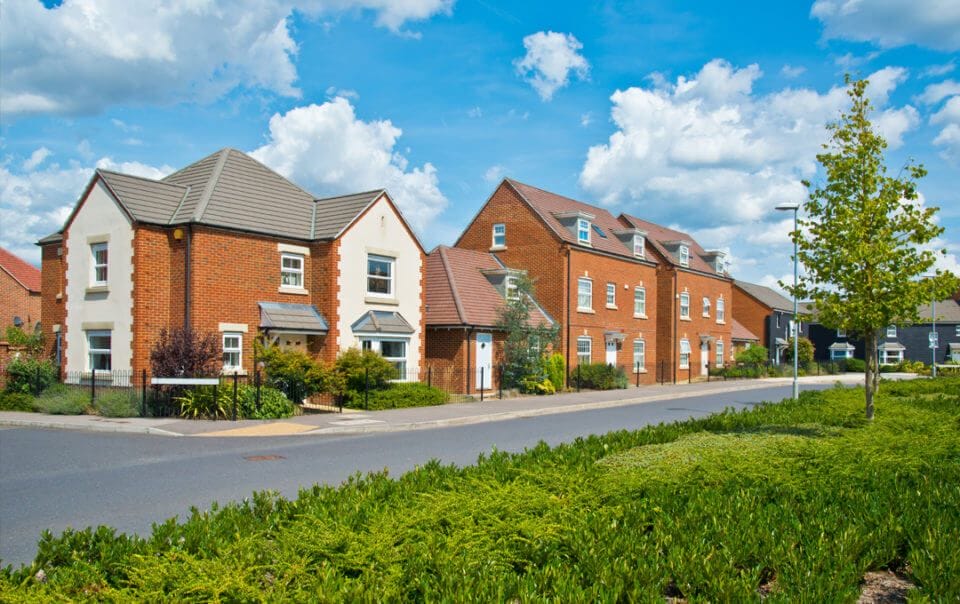
No listing found.
